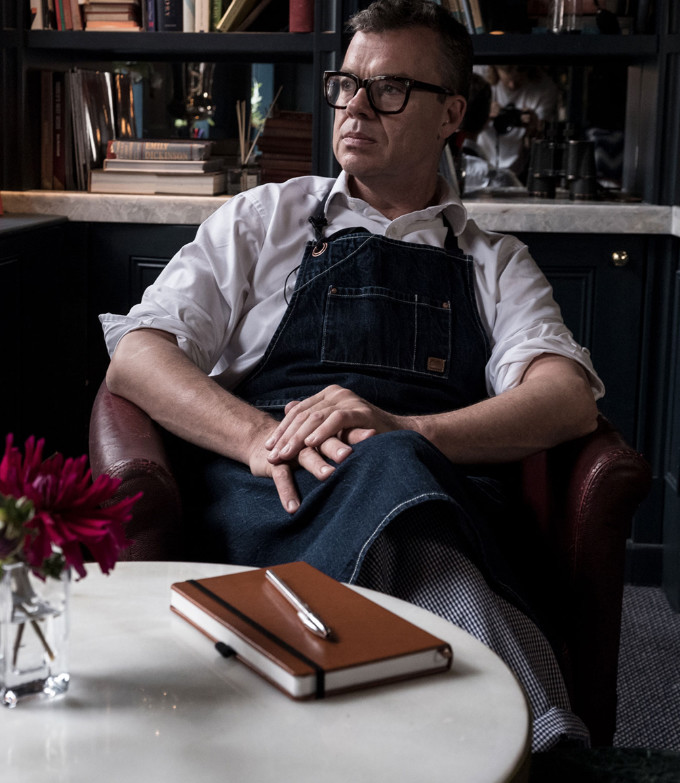


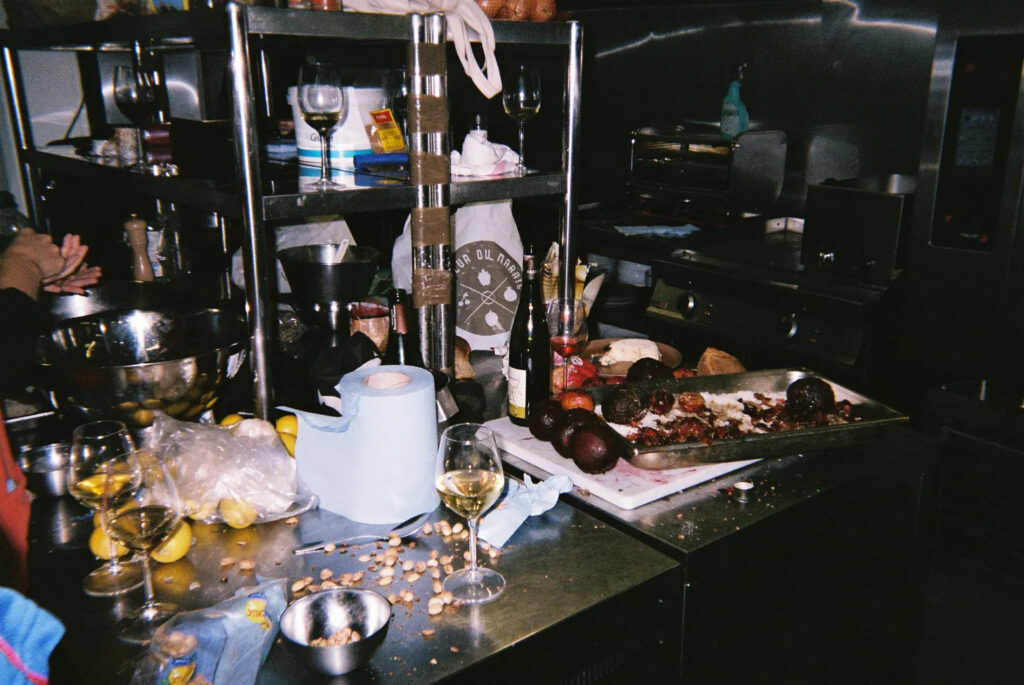
A move to the French capital is often seen as an essential step on the hero’s journey towards becoming a great chef, a finishing school with the finest produce and kitchens.
But to what extent does the reality match up to the romance? Is Paris still the gastronomic capital of the world or a relic to its own reputation?
Offering their own perspectives are Lizzie Parle, whose bread-making journey took her from London’s E5 Bakehouse to the Ten Belles bakery in the 10th arrondissement; chef Micah Levy, who escaped heartbreak in his native Montreal; and baker and pastry chef Thomas Ward, who hopped across the channel after spells at Trinity and Pophams in London.
Whether coping with isolation in foreign kitchens, struggling to crack a food scene stuck in its ways, or dealing with temperamental ingredients, the trio share their recollections and reflections.
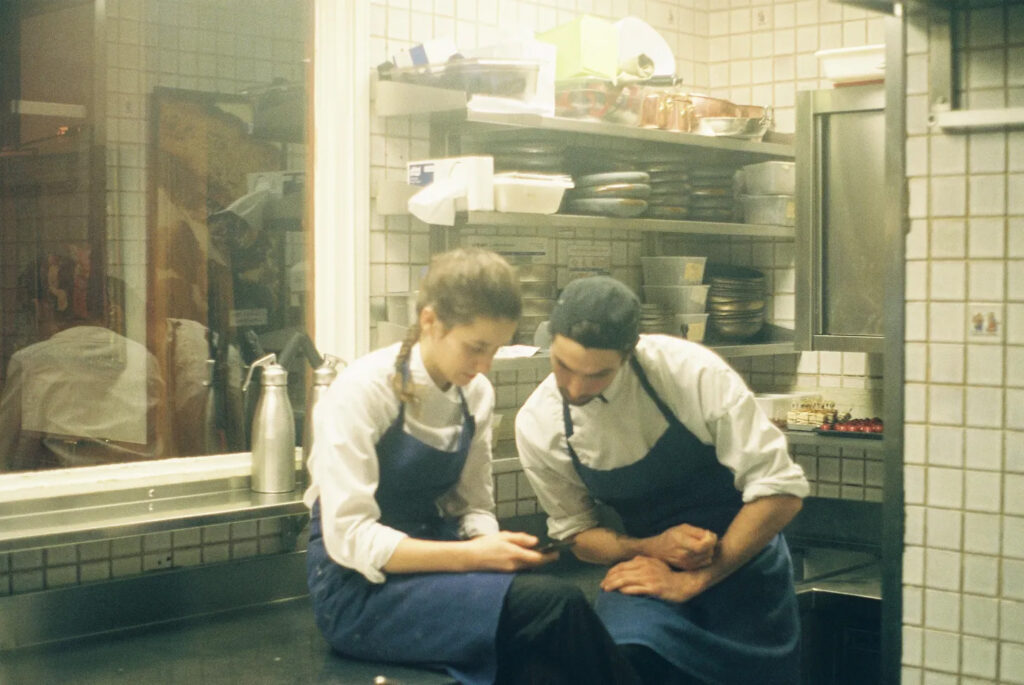
Lizzie Parle: “We’re here to do important work”
I moved to Paris in 2021 during the second confinement (lockdown) because I wanted to go and see what it was like to make bread there – obviously, it’s a pretty romantic notion.
I understood French culture as having similar sensibilities to British culture, but also very different. I wanted to work out why we’re eating such shitty bread in Britain, and how I can go about changing it. I thought Paris might hold some clues.
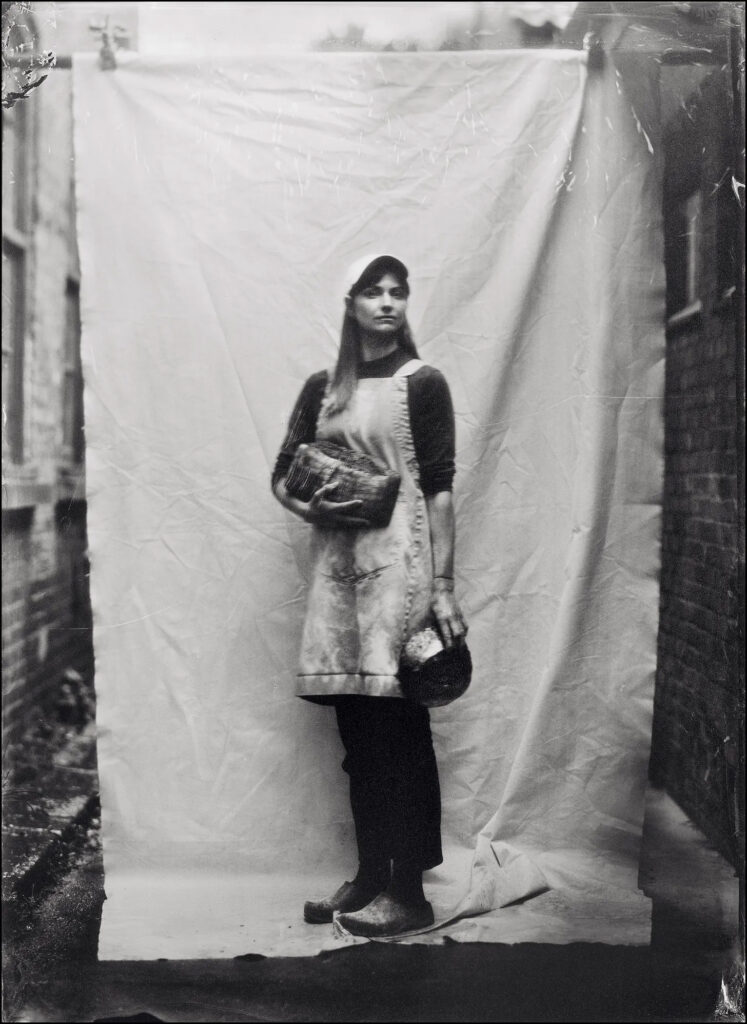
Early on, I got obsessed with thinking that Paris was a city created from bread. Surrounding the city are kilometres upon kilometres of wheat fields.
Most of that wheat is industrial, monocropped modern wheat, not organically farmed, but if that land were a country it would be the second biggest wheat producer after Ukraine.
The whole city is covered in wheat insignia and symbols. It’s really woven into the society and even into the way people think and move around the city.
I’m a bit of an unusual baker because I’m less interested in technique and more on working with farmers. In France, the link between the farmer, miller, and baker is strong.
As a friend of mine at Ten Belles pointed out, because there’s such a strong bread tradition the farmers are quite connected to the idea that their wheat will become bread. Whereas elsewhere, maybe they’re not always thinking about how it tastes or how it’s going to end up on the plate.
There’s a sense of pride that comes with that tradition and I guess pride is a double-edged sword. Based on my experience and what I’ve heard from other bakers, there’s much more of a competitive, protectionist mentality in Paris.
And in terms of sourdough and experimenting with different flours, it’s not that interesting nor as vibrant as the scene in London, for example.
Did Paris change me? Yes, I think it did. It definitely made me a better baker. My main observation was that in Paris people are generally much more comfortable talking and thinking about food and bread in intellectual, political, and sociological terms.
And there’s a deep respect for the institution of learning about bread. For example, if you want to open a bakery and call it a boulangerie, you have to go and get a specific qualification (the CAP Boulanger).
The training is old-fashioned and quite boring according to everyone I know who’s done it. But what I did notice is that it makes people very professional. Bakers take their jobs seriously, and for someone who also takes their job seriously, that was nice. It was like: we’re here to do important work.
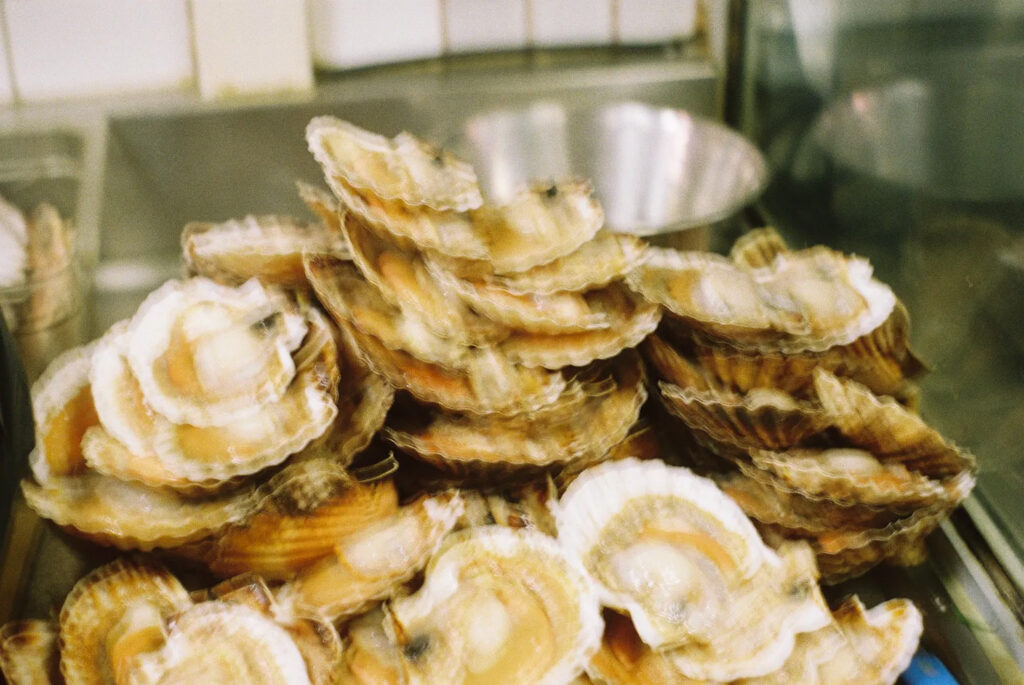
Micah Levy: “Paris is an eat-or-be-eaten city”
I arrived thinking I was going to fail, that I wasn’t going to be good enough. It’s an eat-or-be-eaten city, Paris. But it made me, to this point now, the best version of what I want to be as a chef.
I came to Paris from my home city of Montreal. I was very sad there after coming out of a relationship and I didn’t feel like I was getting challenged in the kitchen anymore.
The thinking was, why not go to the forefront of cooking – the place where chefs are like gods. I wanted to see that for myself. One night, drunk, I bought a one-way ticket.
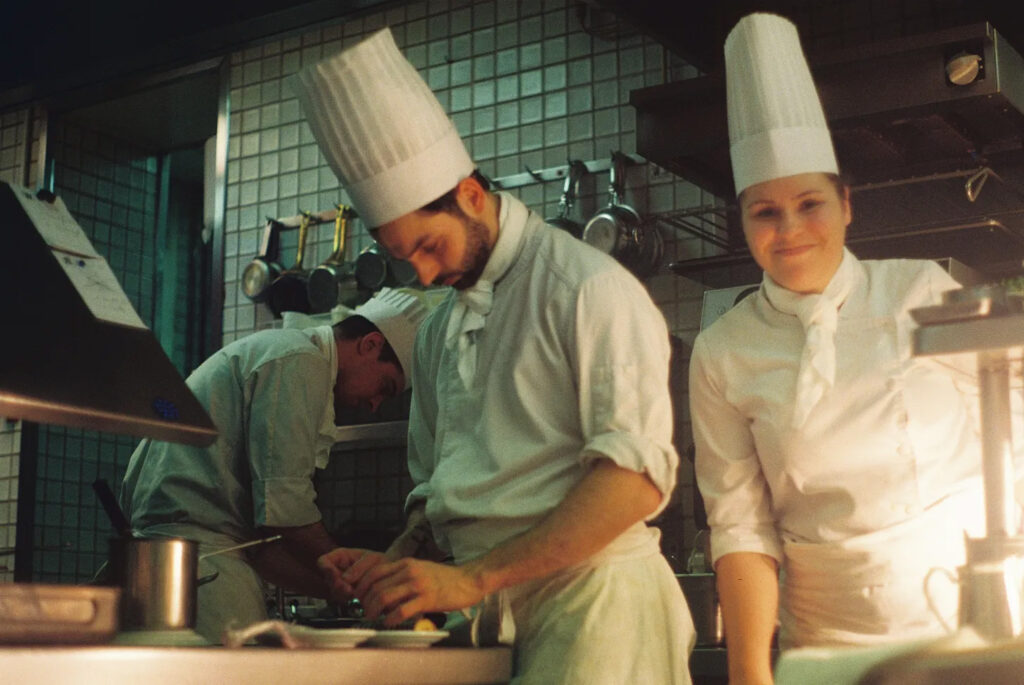
I arrived not knowing anybody, or anything about the city. I met some cooks while I was staying on someone’s couch. One was working at a two-star Michelin restaurant. I started there as a chef de tournant, and it was very tough.
I’d never worked in a Michelin kitchen before – it’s like going from an amateur sport to a professional one. I had no family, no friends, no girlfriend. I had no life. I was living in a hotel right in front of the restaurant. I bought myself a Rubik’s cube so I wouldn’t go too crazy. It was all work – three months felt like one day.
I was there for a year and it was amazing in some ways. But it was also a bit abusive, and the stress was high. The corrupt, toxic, bullshit, famous chef shit left a horrible taste. I moved on to another high-end restaurant but I still wasn’t happy.

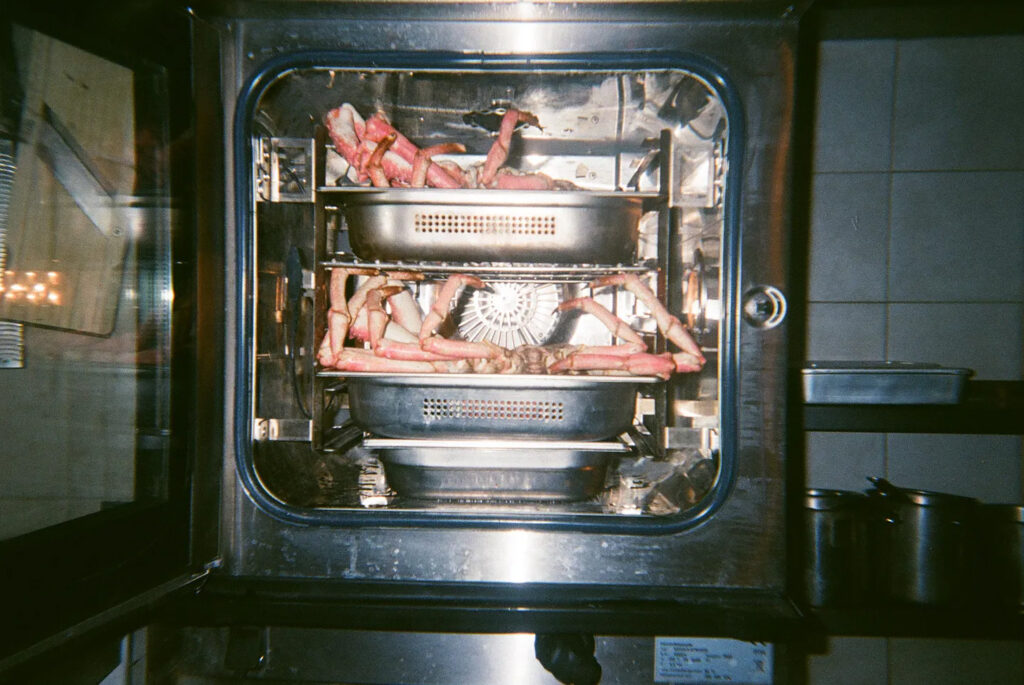
I started to understand that a lot of the restaurants in Paris are a trap for American tourists. You go there and eat tomato and burrata in December and people are like, oh my god this is the best thing ever. But the French won’t eat there. The good places you really gotta search for.
As I moved through different jobs, I discovered that I don’t actually like big kitchens. There are bad apples everywhere that create a toxic, stressful environment, and the food can be very soulless. You slowly realise you’re going to become a product of that.
I went through a big burnout. It was pretty dark – the worst moment in my career, I can now say. Then a friend asked me to do a job at a place called Siena. I went and saw the kitchen: it was amazing – so many toys. He offered me the head chef position. I said I’d rather be a sous chef; I just want to cook and make the customers happy.
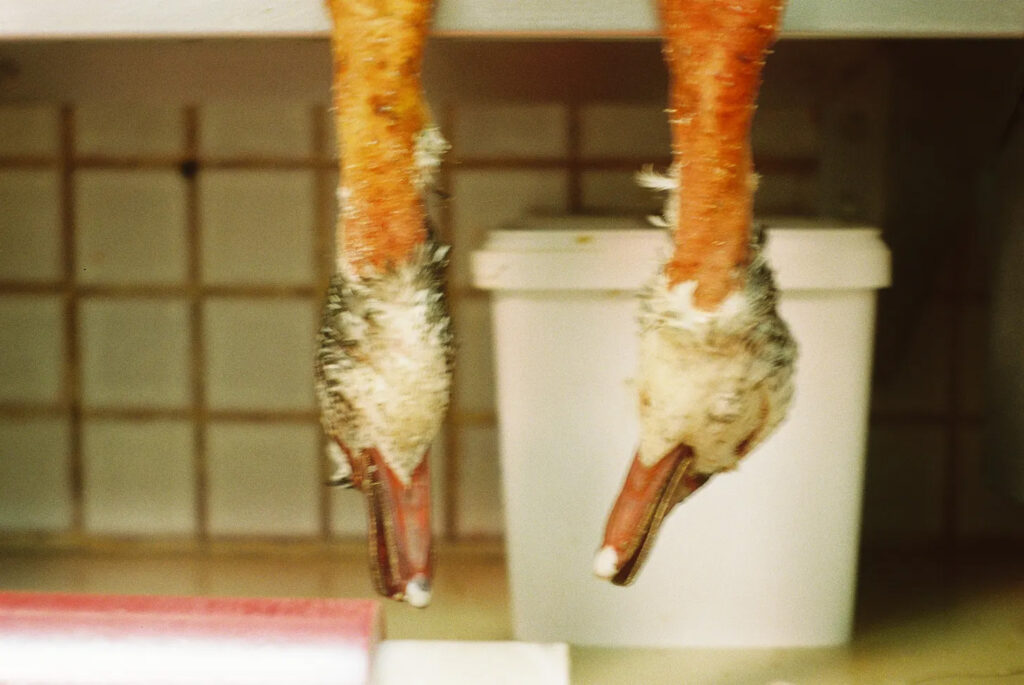
We’re a small team here. The guests and me – we know each other by first names. Someone tells me they love mussels, and then I’ll go, okay, next week I’ll order mussels. I’m growing here. I’m getting to innovate even more, and work on my knowledge and what I want.
My girlfriend tells her friends, “He’s excited every day. He wakes up at 6am; gets there at 7, starts at 9. He’s home at 11pm, but he’s happy”.
Thomas Ward: “I am having to start from zero”
There are a lot of differences to navigate here. Firstly, the kitchens are a lot smaller in Paris than they are in London – it’s quite a shock when you have ten people in the smallest space possible and one oven for a 30-cover restaurant.
On a trial that I did at a one-star restaurant, I was literally having to stop cutting every time someone wanted to walk past. Paris is just a really old city. Everything is built around that architecture.
It’s also really saturated – there are so many bakeries. In London, there are specialities where people will make the journey and be happy to pay £3.50 for a croissant. Whereas here, by law, it’s €1.45.
Unless you are Cédric Grolet, who makes very good croissants and is able to charge over double the national standard, you can’t really charge more and sometimes the quality often reflects that.
We go out and try places and my wife thinks I’m just being a bit stuck up. And I’m like, no, I’ve come from the best bakery in London (Pophams) – it’s not the same.
Moving to Paris has forced me to relearn a lot of things. For example, almost all dairy here is UHT. Double cream doesn’t exist. Trying to combat a 50% lower fat content is crazy. Sometimes you can’t, because to replace that amount of fat is just not possible. Even if you add some butter, it’s not really the same product anymore.
I also have to reduce the amount of sugar or salt I’m using by like 10%, which is very interesting. I like to think it’s well seasoned but, no, for them it’s a bit too much. Sometimes, though, the amount of salt I use in pastry has pleasantly surprised my bosses and colleagues.
As for bread, what shocks me a lot is, going from Trinity or Pophams where you’re baking your bread fresh every day, at some of the restaurants I’ve worked at here it’s not actually done fresh onsite. You buy your bread pre-baked to 60-80% and finish baking it for service.
Very few restaurants make their own because they don’t have the space, and with so many amazing options on your doorstep, I guess buying from a boulangerie makes more sense.
For artisan sourdough or even sometimes croissants, the recipes that I’ve done a million times are just not working. I am having to start from zero. The climate can change everything and French flour is very different to English flour.
You don’t really find strong bread flour here, or a flour of 13 or 14% protein. It’s normally between 11 and 12%. Also, I can’t have my dough as highly hydrated as I’m used to – it doesn’t come together or bake as well. That might be because the flour is a little bit more natural.
Another difference is that, in France, the appearance of bread is extremely important. The recipes I’ve read in cookbooks here add 1 or 2% commercial yeast to help the rise, bake and fermentation process — which isn’t something I’m used to when making sourdough.
It’s frustrating but I’m enjoying the challenge.

As told to Isaac Parham.
Additional edits by Hugh Thomas.
Photography courtesy of Micah Levy and Kasia Wozniak.